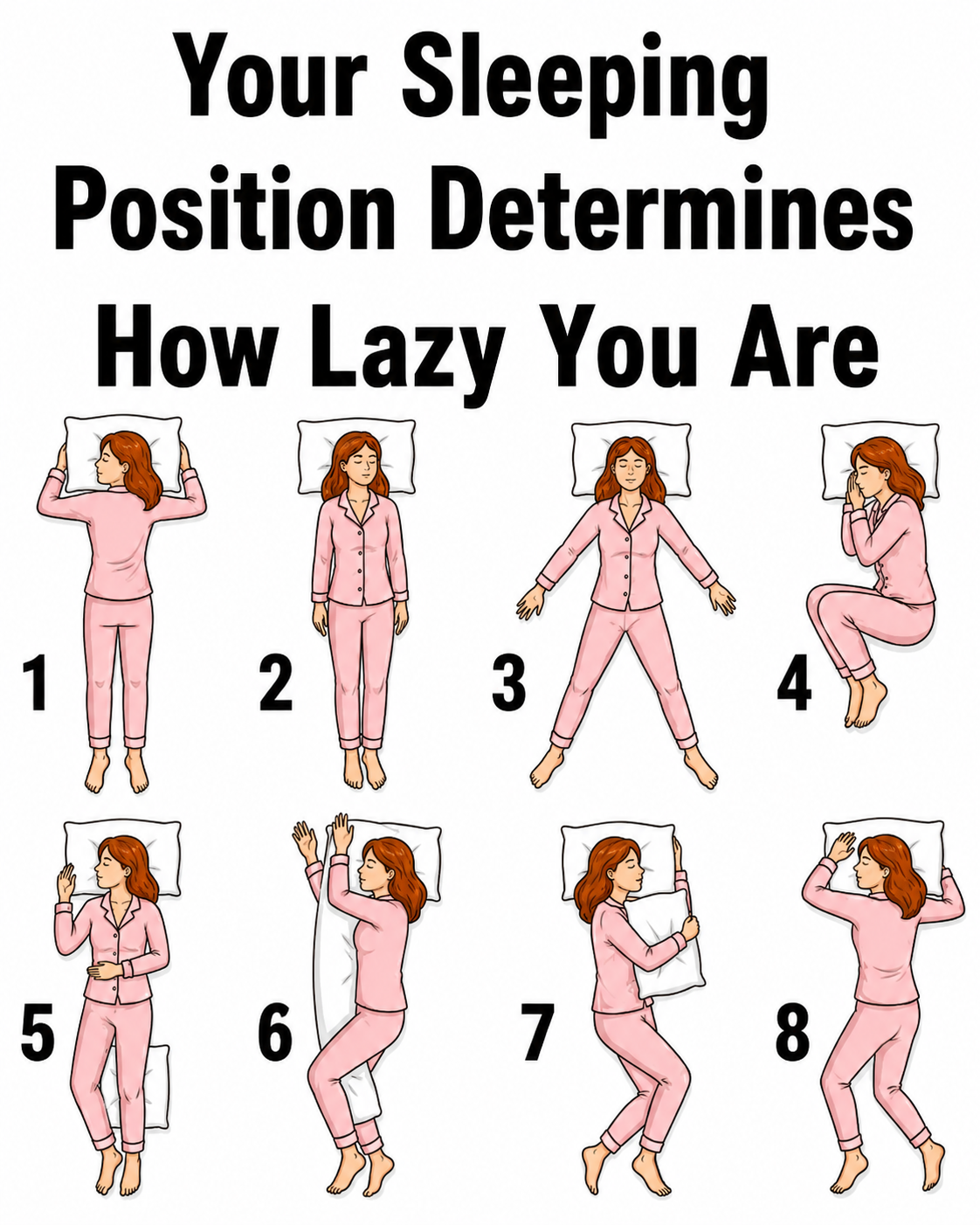
Sleep position analysis has become a popular and entertaining way for people to explore personality traits and lifestyle habits. Although these interpretations are not scientifically proven, many enjoy comparing their natural sleeping posture with common personality descriptions. From sleeping with arms raised to curling up in a fetal position, each style is often associated with different comfort preferences, relaxation habits, and energy levels. As interest in wellness and self-reflection grows, sleep-position personality insights continue to gain popularity online.
One of the most recognizable sleeping styles is the “arms up” position, where a person lies on their back with their arms raised near the pillow. This posture is often linked to openness, confidence, and a relaxed mindset. People who sleep this way are sometimes described as friendly and mentally active, even while prioritizing comfort during rest.
Another common posture is the straight back sleeper, who lies flat on their back with their arms resting by their sides. This sleeping style is frequently associated with discipline, structure, and reliability. Individuals who prefer this position are often viewed as organized and consistent, valuing routine and stability in their daily lives.
Side-sleeping positions are also among the most popular. The casual side sleeper is often seen as balanced and practical, combining comfort with productivity. In contrast, the fetal position, where a person curls up with their knees drawn toward their chest, is commonly associated with emotional sensitivity and a desire for security. These interpretations suggest that comfort preferences during sleep may reflect how people manage stress and emotional well-being throughout the day.
Other well-known sleeping styles include the starfish sleeper, who spreads out across the bed and enjoys maximum comfort, and the pillow hugger, who prefers holding a pillow while sleeping. The starfish position is often linked to independence and relaxation, while pillow huggers are sometimes associated with a strong appreciation for emotional comfort and personal connections. These descriptions are intended as lighthearted observations rather than professional assessments.
The half-turn sleeper, who frequently changes positions during the night, is often viewed as adaptable and flexible. This type of sleeper may adjust easily to new situations and environments, demonstrating a balance between activity and comfort. Such interpretations emphasize self-awareness rather than personality classification.
In conclusion, sleeping positions can provide a fun and interesting way to reflect on personal habits, comfort preferences, and daily routines. While they do not determine personality, success, or productivity, they can encourage greater awareness of sleep quality and overall lifestyle balance. Regardless of sleeping style, maintaining healthy sleep habits, managing stress, and getting adequate rest remain the most important factors for overall well-being.